


Dr. Shereef Elnahal commenced his tenure as OHSU’s sixth president on Aug. 11, 2025. He is a leader and expert in health care delivery in large, integrated health systems, with a career focused on serving vulnerable communities.
Prior to OHSU, he was appointed by President Joseph R. Biden to serve as Under Secretary for Health at the Department of Veterans Affairs (VA), and confirmed by the United States Senate on July 21, 2022, with a bipartisan vote. In this role, he led the largest integrated health system in the nation alongside a team of nearly 400,000 professionals, delivering world-class care to 9 million enrolled veterans.
Dr. Elnahal oversaw the Veterans Health Administration’s (VHA) implementation of the Sergeant First Class (SFC) Heath Robinson Honoring our Promise to Address Comprehensive Toxics (PACT) Act, the largest expansion of veteran benefits and care in a generation. More than two years since the law, VA has enrolled more than 800,000 new veterans into health care, and upgraded health care coverage for more than 900,000 veterans already enrolled in VA.
Prior to his role at VA, Dr. Elnahal served as President and Chief Executive Officer of University Hospital in Newark, New Jersey. University Hospital is a Level I trauma center, the principal academic medical center for Rutgers New Jersey Medical School, and New Jersey’s only public hospital. Dr. Elnahal led University Hospital through the COVID-19 public health emergency, and the hospital served as a model for urban and regional response efforts.
Dr. Elnahal also served as Assistant Deputy Under Secretary for Health for Quality, Safety, and Value at the U.S. Department of Veterans Affairs from 2016 through 2018, overseeing quality of care for the Veterans Health Administration (VHA). He co-founded the VHA Innovation Ecosystem, a program that continues to foster the spread of innovation and best practices that improve veteran care across the nation.
Dr. Elnahal received his M.D. from Harvard Medical School and his M.B.A. with Distinction from Harvard Business School. He was also appointed by President Barack Obama to the 2015-16 class of White House Fellows. His perspective on the American health care system’s COVID-19 response, including on matters of health equity, has been featured on national media outlets including CNN, MSNBC, The New York Times and Fox Business Network.

Brian Druker, MD, is a physician-scientist and JELD-WEN Chair of Leukemia Research at Oregon Health & Science University. His research is focused on translating the knowledge of the molecular pathogenesis of cancer into specific therapies and investigating the optimal use of these molecularly targeted agents. He performed preclinical studies that led to the development of imatinib (Gleevec) for chronic myeloid leukemia (CML) and then spearheaded the highly successful clinical trials of imatinib, which led to FDA approval of the drug in record time. This work changed the life expectancy of patients with CML from an average of 3 to 5 years to a 95% five-year survival and has resulted in a paradigm-shift in cancer treatment from non-specific chemotherapy to highly targeted therapeutic agents. He is a member of the National Academy of Medicine, the National Academy of Sciences and, among numerous awards, is the recipient of the 2009 Lasker-DeBakey Clinical Medical Research Award, the 2012 Japan Prize in Healthcare and Medical Technology and the 2019 Sjöberg Prize.
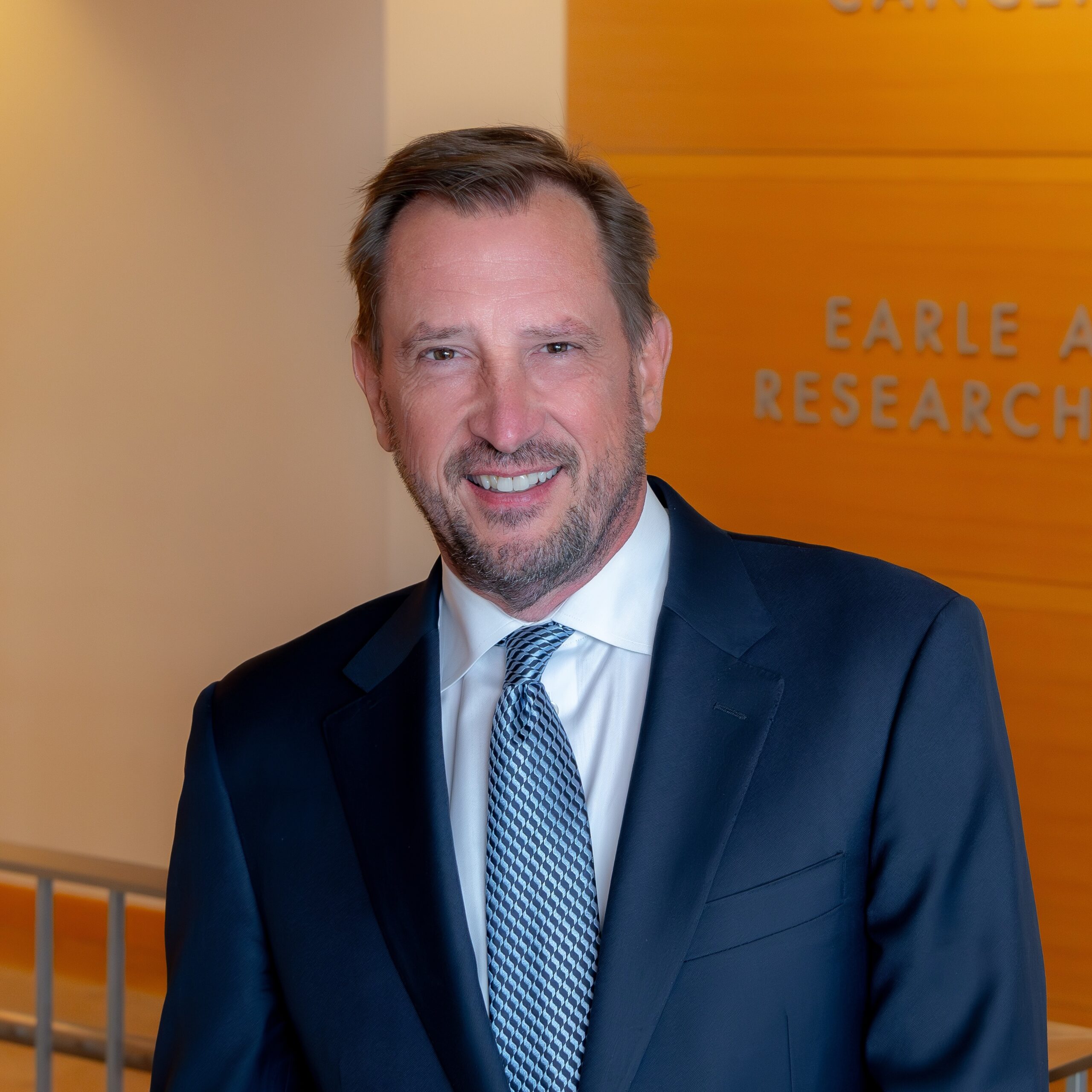
Bryan Bell, MD, DDS, FACS, FRCS(Ed) is Executive Medical Director of the Providence Cancer Institute of Oregon; Director and Member of the Earle A. Chiles Research Institute; and holds the Walter J. Urba Chair for Cancer Research in Portland, Oregon. In these roles, he oversees oncology services and research teams that deliver care to more than 6,000 cancer patients annually in 32 clinics and 8 Oregon hospitals.
As an internationally recognized head and neck surgeon, Bell has led pioneering research and clinical efforts to integrate immunotherapy into the neoadjuvant setting. Using his surgical practice to conduct clinical trials, Bell’s research bridges basic, translational and clinical activities. In addition, he has worked to develop technologically advanced methods to enhance the effectiveness of head and neck cancer surgery, including virtual surgical planning, transoral robotic surgery and sentinel lymph node biopsy. His work has been published in more than 350 scientific articles and book chapters and he is co-author of two major textbooks, including “Oral, Head and Neck Oncology and Reconstructive Surgery”.
For almost three decades, Bell has been active in educating the next generation of surgeons, having trained or mentored dozens of surgical residents, fellows and students in head and neck oncologic and reconstructive surgery. He has served on National Institutes of Health Head and Neck Steering Committee’s Immunotherapy Clinical Trials Planning Group and the Task Force on Previously Untreated/Locally Advanced (PULA) Disease. He has held numerous leadership positions and board appointments within various professional and non-profit organizations. Amongst his honors, he has been awarded Fellowship in the Royal College of Surgeons of Edinburgh, Ad Hominem.

Dr. Coussens is Director of the Knight Cancer Institute, and Professor and Chair of the Department of Cell, Developmental & Cancer Biology at Oregon Health & Sciences University where she holds the Hildegard Lamfrom Endowed Chair in Basic Science. Dr. Coussens’ research focuses on dissecting the roles of normal immune cells in regulating various facets of solid tumor development, identifying leukocyte activities that are co-opted by early tumors to support ongoing cancer development, and in understanding the role leukocytes play in regulating responses to cytotoxic, targeted and immune-based therapies. Utilizing mouse models of mesothelioma, cutaneous, head and neck, pancreas and mammary carcinoma, her research identified critical immune-regulated pathways for therapeutic targeting that have been translated in proof-of-concept clinical trials in metastatic triple negative breast cancer, pancreas cancer, and head & neck squamous cancer. In recognition of her research contributions for revealing underlying mechanisms of cancer development, Dr. Coussens’ has been acknowledged with multiple awards in recognition of her scientific contributions including the American Association for Cancer Research (AACR) Gertrude B. Elion Award (2001), AACR-Women in Cancer Research Charlotte Friend Memorial Lectureship (2012), 13th Rosalind E. Franklin Award from the National Cancer Institute (2015), a Doctor in Medicine (honoris causa) from the University of Buenos Aires in Argentina (2018), 12th AACR-Princess Takamatsu Memorial Lectureship (2018), European Academy of Tumor Immunology Career Award (2018), Susan G. Komen Brinker Award for Scientific Distinction in Basic Science (2018), elected Fellow of the American Association for Advancement of Science (AAAS; 2018), Fellow of the AACR Academy (2019), Fellow of the Academy of ImmunoOncology (SITC; 2022), awarded the 2023 Margaret L. Kripke Legend Award for advocacy and promotion of women in academic medicine and science, named a Heroine of Public Health by Johns Hopkins Bloomberg School of Public Health (2024). She was elected AACR President (2022-2023), and inducted into the National Academy of Sciences (2023) and National Academy of Medicine (2024).
Dr. Counts Post-doctoral work is focused on the studying of the role of NF-kB and STAT3 signaling in skeletal muscle in PDAC cachexia (pronounced kuh-KEK-see-uh).
She received her BS from West Chester University and her MS from the University of Mississippi where she studied exercise physiology. Brittany received her PhD from the University of Tennessee in Memphis, where she examined the effects of physical activity and exercise on skeletal muscle plasticity during cancer cachexia progression.
Motivated by the loss of her mother, she leads the National Cancer Cachexia Awareness Day campaign supported by the Cancer Cachexia Society. She shared that the loss of her mother motivates her research projects.
Over two years ago, Dr. Counts joined Oregon ACS CAN, an experience that inspires her to ensure scientific discoveries are accessible and communicated effectively to all.
Her research focuses on improving the understanding of mechanisms underlying exercise adaptations after chemotherapy which will provide the basis for successfully treating fatigue and metabolic dysfunction in cancer survivors.
From Dr. Counts: “Last year, I lost my mother to cancer cachexia, pushing me every day to have a positive impact on my community and for patients with cachexia. The passing of my mother drove me to lead the National Cancer Cachexia Awareness Day campaign supported by the Cancer Cachexia Society, and it is the motivation behind my research projects. Over two years ago, I joined Oregon ACS CAN, an experience that inspired me to ensure our scientific discoveries are accessible and communicated effectively to all.”
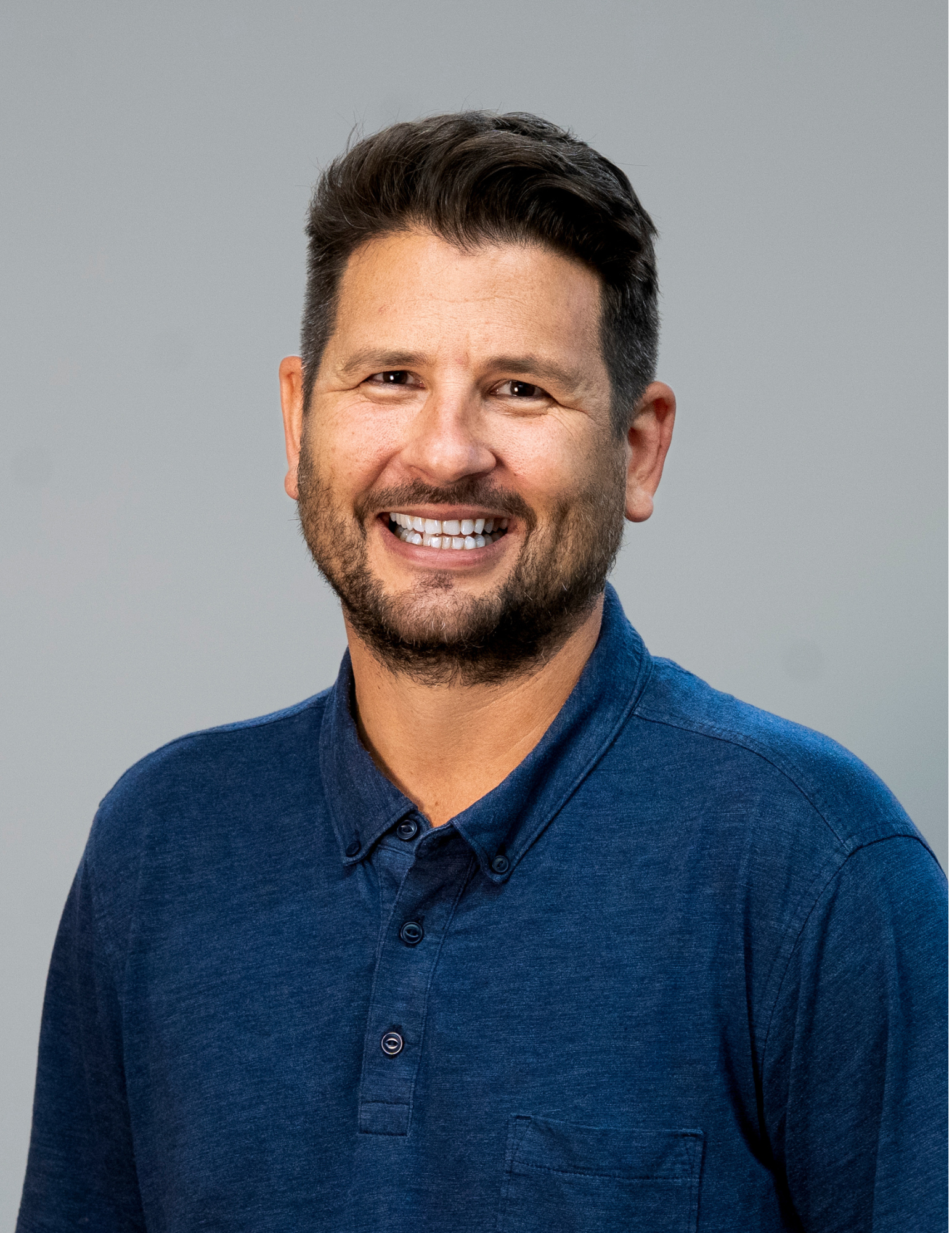
In this role, Dr. Hystad leads the Spatial Health Lab, co-leads the Development Core of the ASP3IRE Children’s Environmental Health Translation Center, and chairs the OSU Senate Carbon Commitment Committee.
His research focuses on environmental exposure science and epidemiology, with applications to air pollution, healthy built environments, and climate change.
Through his research, he has developed new methods to assess environmental exposures for large cancer health studies using novel technologies and geospatial data science approaches and translated this information into effective policy and prevention activities.
Impressively, (as of September 2025) he has published more than 165 articles examining environmental health issues (Citations: 18,585, h-Index: 68, i10-Index: 156);
Dr. Hystad knows the importance of research funding, having received more than $25 million in research funding to support local, national, and international research; and served on multiple grant review panels and scientific advisory boards
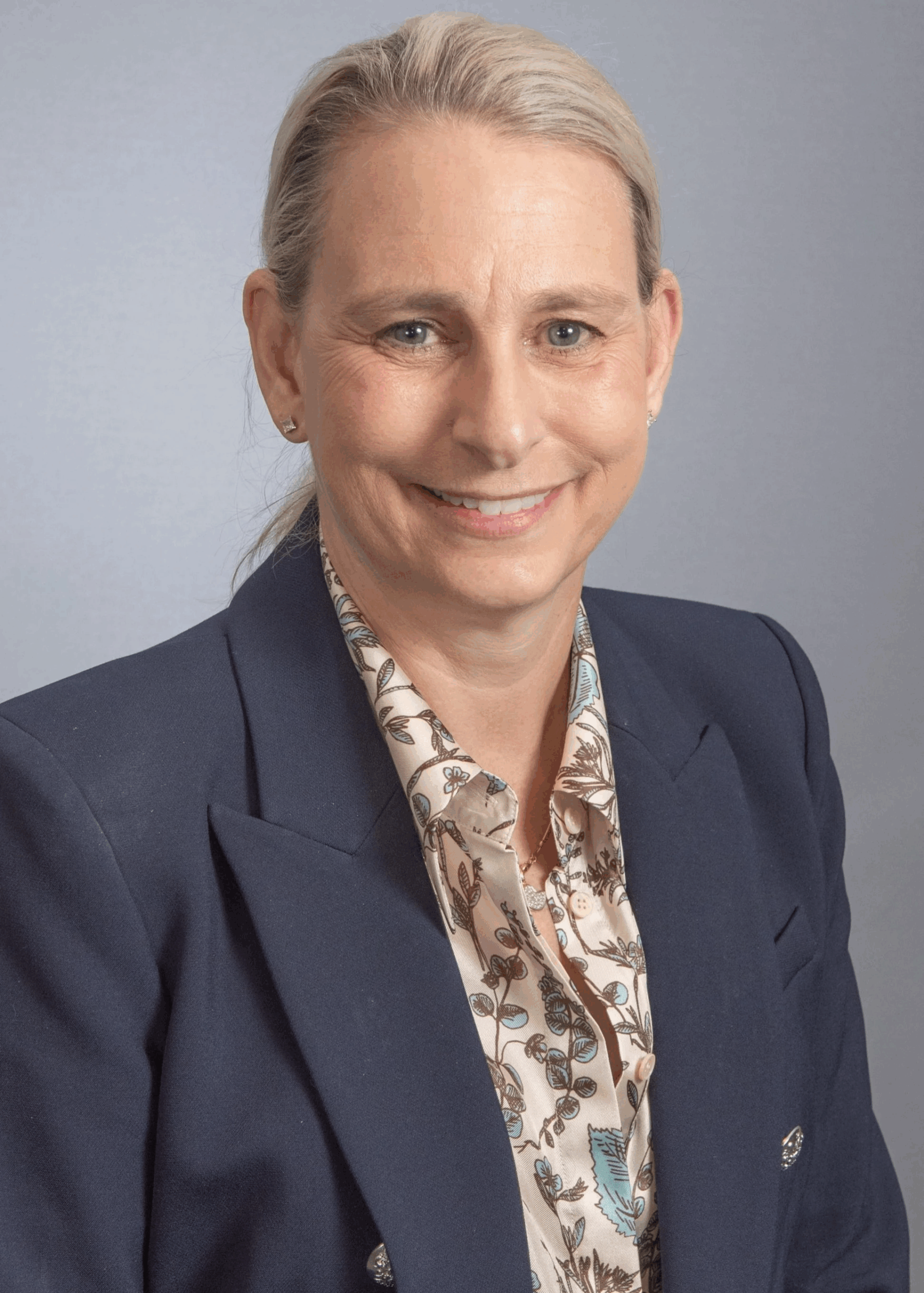
Senator Kate Lieber represents Senate District 14, which includes Beaverton and SW Portland. She also serves as the Co-Chair of the Joint Committee on Ways and Means, the budget writing committee of the legislature.
She is a mother of two, a breast cancer survivor, a former community college instructor, and an attorney.
She is deeply invested in improving our communities. She believes healthcare is a human right and fights to ensure all Oregonians are able to provide for their families.
ACS CAN would like acknowledge and thank Senator Lieber for her strong support of legislation during the 2025 Session requiring health benefit plans to cover autologous breast reconstruction procedures and related serves at in-network rates. (SB 1137).